

 cn
 English


0
Establishment
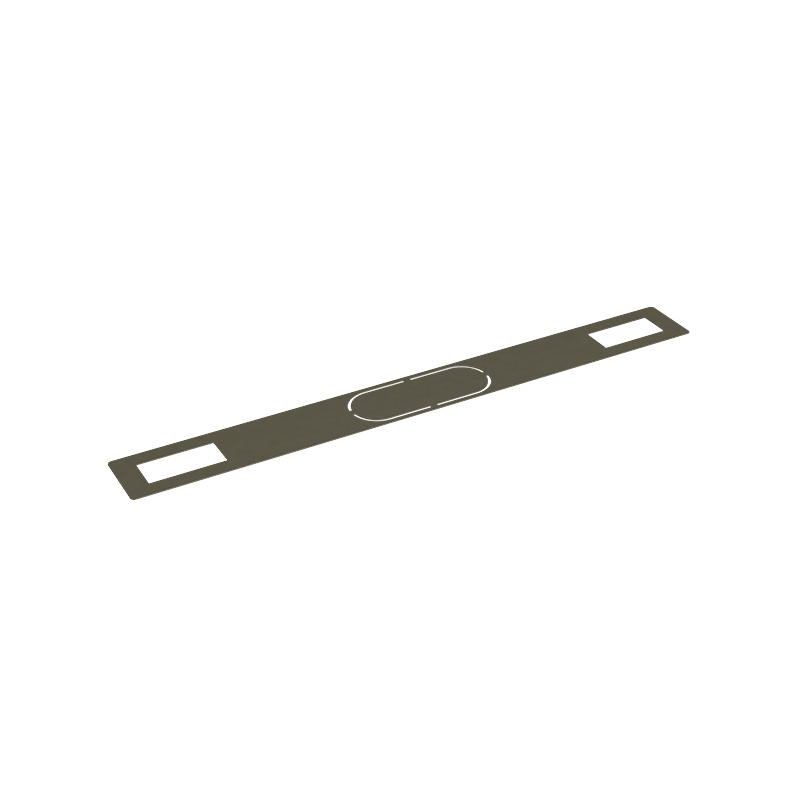
Thermex Battery Cell Protection is a cutting-edge product line designed to enhance the safety and performance of battery systems. Our products are specifically engineered to provide thermal insulation and fire protection, ensuring that battery cells operate efficiently and safely under various conditions. The Thermex range includes a variety of high-performance materials tailored to meet the demanding requirements of modern battery technologies.
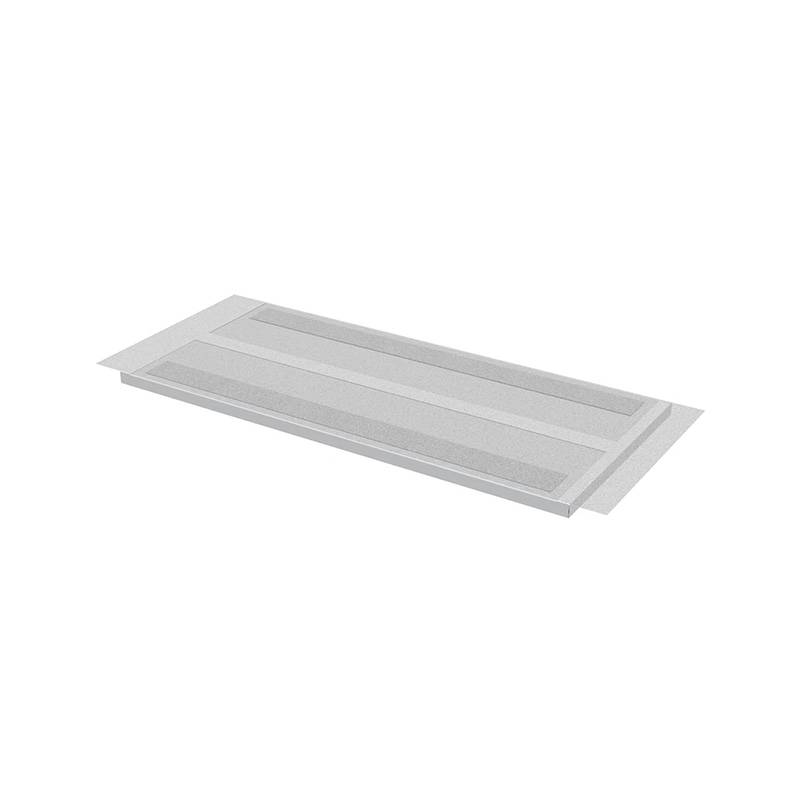
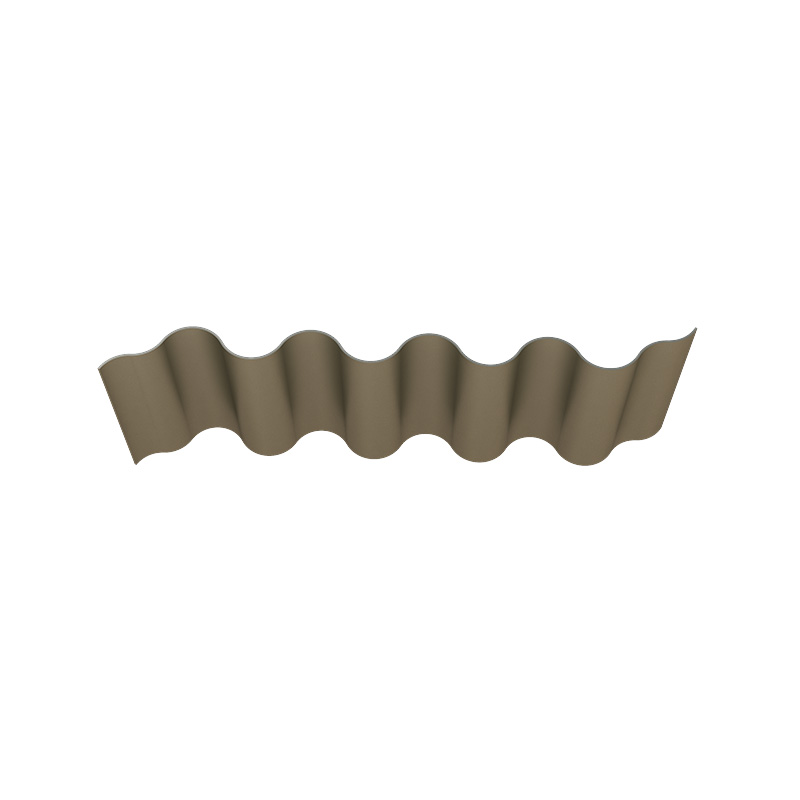
Our flagship products include GA100, GA310, GN200, and GM02 heat-resistant pads, which offer exceptional thermal insulation properties. These pads are meticulously crafted to withstand temperatures, preventing heat buildup and potential thermal runaway in battery systems. Additionally, our rigid mica heat-resistant pads provide robust mechanical support while maintaining thermal stability, making them ideal for applications requiring both strength and insulation.
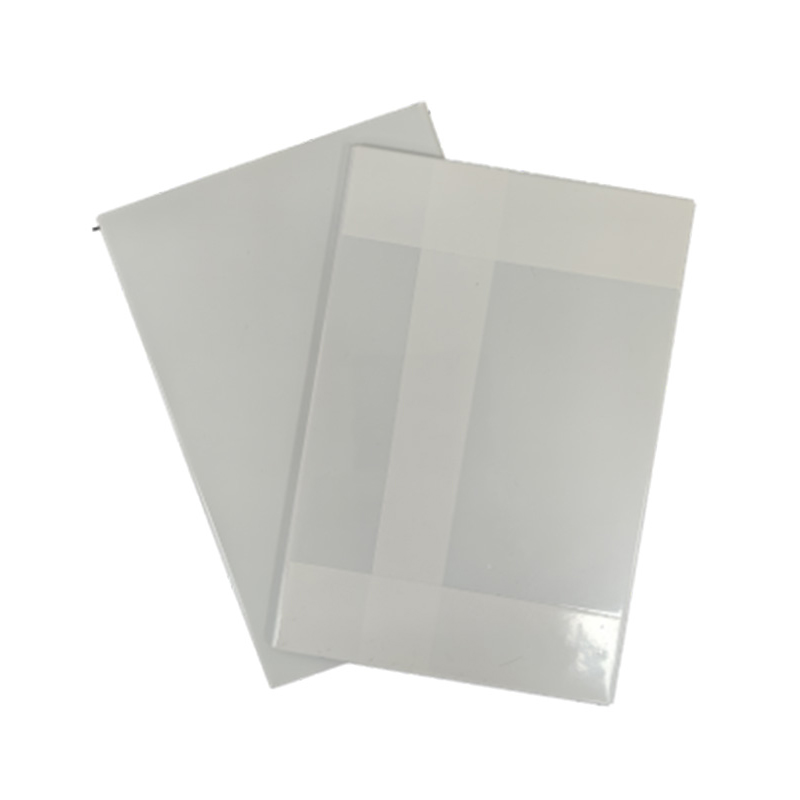
For enhanced fire safety, Thermex offers fireproof/fire-retardant sheets that act as a barrier against flames and sparks. These sheets are designed to protect battery cells from external fire hazards, ensuring that even in the event of an incident, the risk of fire spreading is minimized. Our products are widely used in electric vehicles, energy storage systems, and industrial batteries, where reliability and safety are paramount.


Establishment

Service Car Brands

Employee Number

Strategic Partner
Electrical components are usually described one part at a time: a resistor here, a contactor there, a bushing between them. That works well on a schematic, but it leaves out the materials that hold the system together — the resins, insulat...
See DetailThermal pads are the quiet problem-solvers of an EV battery pack. They sit between cells, modules, cooling plates and enclosures, where they manage heat, absorb tolerances and help keep high-voltage parts isolated. A pad that is too hard, ...
See DetailCopper is the material engineers trust to carry current. Aluminium is the material they reach for when weight and cost start to matter. Bond the two into a single sheet — properly, metallurgically, not with adhesive — and you get a part th...
See DetailA battery pack rarely fails politely. When one cell enters thermal runaway, the outcome of the whole pack comes down to how long the next cell holds out. Every layer sitting between those two cells is doing quiet, unglamorous work, and the...
See DetailA radiator base plate rarely gets much attention until something goes wrong. It is usually a flat piece of metal with a few holes, a machined face, and perhaps a gasket groove, and yet it is the point where the thermal, mechanical, and sea...
See DetailWhen you open a lithium-ion battery pack or a compact power module, you rarely see the foil that carries the current. Yet precision copper aluminum foil quietly determines how efficiently that current moves, how much heat builds up, and ho...
See DetailCopper conducts. Aluminum is light. Double-sided copper-aluminum clad material exists because an increasing number of current-carrying parts need both properties inside the same piece of metal, and plating or bolting two metals together ra...
See DetailDuring a recent visit to a battery module assembly line, I watched an operator press a thin insulating pad against a prismatic cell and slide a small plastic clip over the edge. The entire operation took about two seconds and looked almost...
See DetailWhen a battery pack is assembled, the gap between a prismatic or pouch cell and the cooling plate is never perfectly uniform. A battery thermal pad sits in that gap. It has to conduct heat, absorb dimensional variation, and hold up under c...
See DetailWhen you jump-start a car, the negative terminal is easy to spot: it is the one with a minus sign and usually a black cover. In an electric vehicle battery pack, the negative terminal does the same fundamental job—completing the circuit—bu...
See Detail
 Applet
Call Center:
 Tel:+86-0512-63263955
 Email :[email protected]
Copyright © Goode EIS (Suzhou) Corp LTD
 Electric Vehicle Battery Thermal Pads Company