

 cn
 English


0
Establishment
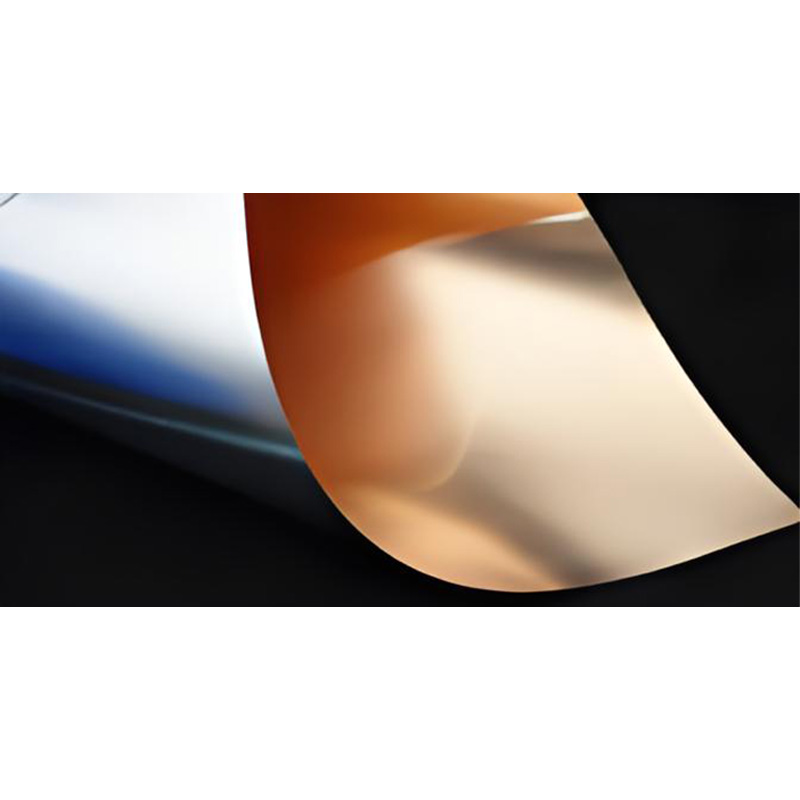
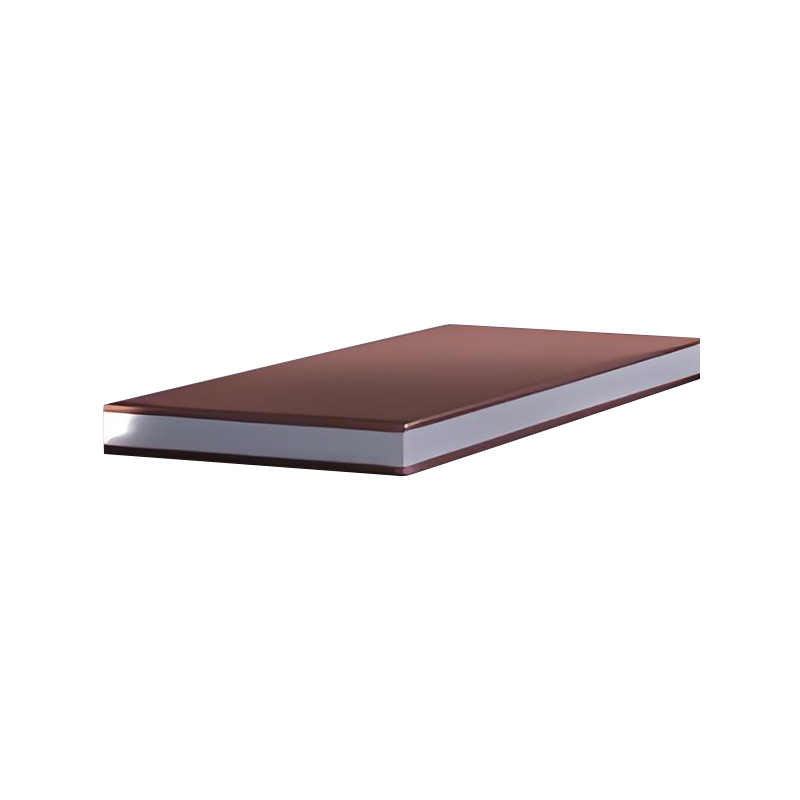
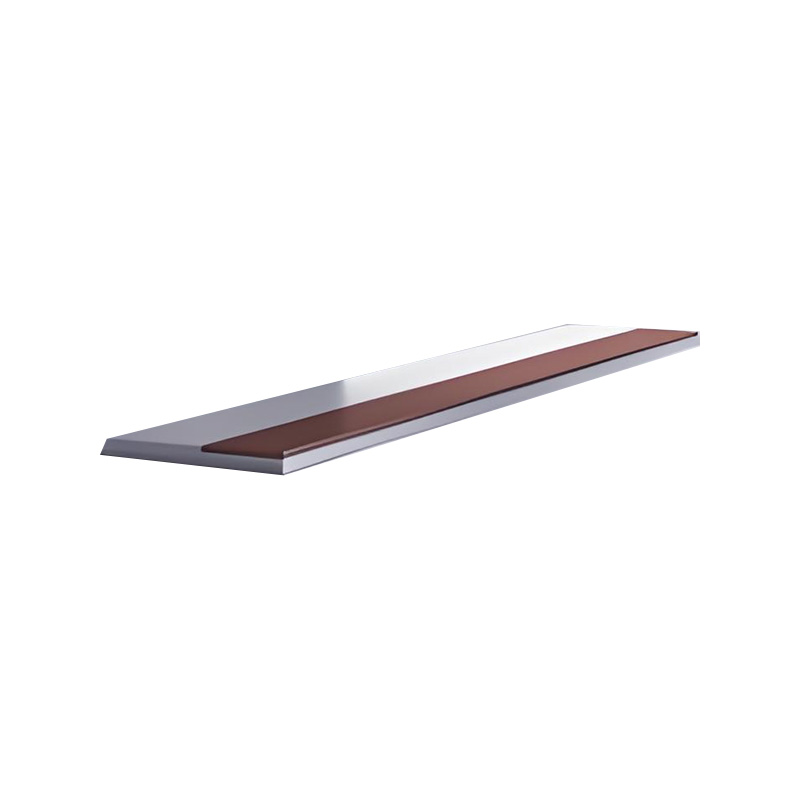
Engineered for high-performance applications, the Lightweight Solution series delivers advanced metal composite materials tailored for use in power battery systems. Combining strength with minimal weight, these materials are designed to meet the evolving demands of modern energy storage technologies.
Ideal for electric vehicles and renewable energy systems, this product line offers exceptional thermal stability and electrical conductivity. The lightweight nature of the composites contributes to overall efficiency improvements, enabling longer battery life and enhanced operational performance.
The materials are developed using cutting-edge composite technology that ensures durability and resistance to corrosion, making them suitable for challenging environments. With a focus on sustainability, the Lightweight Solution series supports eco-friendly manufacturing processes and resource-efficient design.
These metal composites provide reliable structural support while reducing the total weight of battery modules. Their adaptability allows for seamless integration into various battery configurations, supporting innovation and scalability in power battery development.


Establishment

Service Car Brands

Employee Number

Strategic Partner
Electrical components are usually described one part at a time: a resistor here, a contactor there, a bushing between them. That works well on a schematic, but it leaves out the materials that hold the system together — the resins, insulat...
See DetailThermal pads are the quiet problem-solvers of an EV battery pack. They sit between cells, modules, cooling plates and enclosures, where they manage heat, absorb tolerances and help keep high-voltage parts isolated. A pad that is too hard, ...
See DetailCopper is the material engineers trust to carry current. Aluminium is the material they reach for when weight and cost start to matter. Bond the two into a single sheet — properly, metallurgically, not with adhesive — and you get a part th...
See DetailA battery pack rarely fails politely. When one cell enters thermal runaway, the outcome of the whole pack comes down to how long the next cell holds out. Every layer sitting between those two cells is doing quiet, unglamorous work, and the...
See DetailA radiator base plate rarely gets much attention until something goes wrong. It is usually a flat piece of metal with a few holes, a machined face, and perhaps a gasket groove, and yet it is the point where the thermal, mechanical, and sea...
See DetailWhen you open a lithium-ion battery pack or a compact power module, you rarely see the foil that carries the current. Yet precision copper aluminum foil quietly determines how efficiently that current moves, how much heat builds up, and ho...
See DetailCopper conducts. Aluminum is light. Double-sided copper-aluminum clad material exists because an increasing number of current-carrying parts need both properties inside the same piece of metal, and plating or bolting two metals together ra...
See DetailDuring a recent visit to a battery module assembly line, I watched an operator press a thin insulating pad against a prismatic cell and slide a small plastic clip over the edge. The entire operation took about two seconds and looked almost...
See DetailWhen a battery pack is assembled, the gap between a prismatic or pouch cell and the cooling plate is never perfectly uniform. A battery thermal pad sits in that gap. It has to conduct heat, absorb dimensional variation, and hold up under c...
See DetailWhen you jump-start a car, the negative terminal is easy to spot: it is the one with a minus sign and usually a black cover. In an electric vehicle battery pack, the negative terminal does the same fundamental job—completing the circuit—bu...
See Detail
 Applet
Call Center:
 Tel:+86-0512-63263955
 Email :[email protected]
Copyright © Goode EIS (Suzhou) Corp LTD
 Lightweight Solution