Content
Thermex battery pack protection represents a specialized approach to managing the delicate relationship between temperature and chemical stability in high-capacity lithium-ion systems. When batteries operate outside their optimal temperature range—typically between 15°C and 35°C—the internal resistance increases, leading to reduced efficiency and accelerated degradation. Thermex solutions utilize advanced phase-change materials and liquid cooling interfaces to ensure that heat is dissipated evenly across all cells, preventing localized "hot spots" that can lead to premature pack failure or catastrophic thermal runaway events.
Implementing a robust protection layer is not merely about cooling; it is about thermal equalization. In a large battery array, the cells in the center often retain more heat than those on the perimeter. Thermex protection materials are engineered to bridge these gaps, providing a high-conductivity path that pulls heat away from the core and distributes it toward the cooling system. This uniformity ensures that every cell ages at the same rate, maintaining the overall health and balance of the battery management system (BMS).
At the heart of Thermex protection are the Thermal Interface Materials (TIMs) which fill the microscopic air gaps between battery cells and the cooling plate. Because air is a poor conductor of heat, these specialized gap fillers and pads are essential for maximizing heat transfer efficiency. These materials are often formulated with silicone or acrylic bases filled with ceramic particles to provide high thermal conductivity while maintaining electrical insulation.
Beyond temperature regulation, Thermex protection includes active and passive fire barriers. These materials are designed to withstand extreme temperatures (often exceeding 1000°C) for a specific duration. In the event of a single cell failure, these barriers prevent heat from propagating to neighboring cells, effectively isolating the fault and providing a critical window of safety for the user and the surrounding equipment.
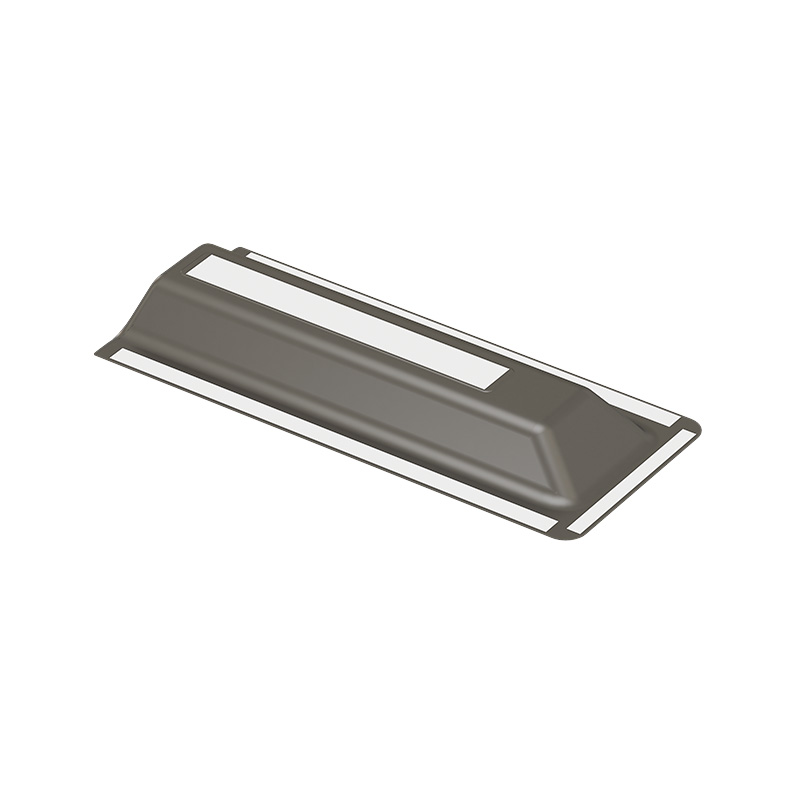
The selection of protection materials depends heavily on the specific energy density of the pack and the environmental conditions it will encounter. The following table illustrates the typical performance metrics associated with Thermex-grade protection layers:
| Feature | Specification Detail | Operational Benefit |
| Thermal Conductivity | 1.5 to 5.0 W/mK | Rapid heat dissipation from cell to sink |
| Dielectric Strength | >10 kV/mm | Prevents electrical arcing between cells |
| Flame Rating | UL 94 V-0 | Self-extinguishing properties for safety |
| Compression Set | < 15% | Maintains contact during vibration/shock |
Integrating Thermex protection into battery pack design offers several practical advantages that directly impact the end-user experience and the manufacturer's warranty liability. By maintaining a stable thermal environment, these systems provide:
When applying Thermex protection, engineers must account for the "pump-out" effect, where materials might be displaced during repeated thermal expansion and contraction cycles. It is vital to select materials with high thixotropic indices or use pre-cured pads in high-movement areas. Additionally, the compatibility of the protection material with the battery casing—whether aluminum, plastic, or composite—must be verified to ensure long-term adhesion and prevent chemical reactions that could weaken the pack structure over a ten-year service life.
Ultimately, the investment in high-grade Thermex battery pack protection pays for itself by extending the lifecycle of the most expensive component in an electric vehicle or energy storage system. By prioritizing thermal stability, operators can achieve higher performance benchmarks and ensure a significantly safer operation profile under all load conditions.

 Applet
Call Center:
 Tel:+86-0512-63263955
 Email :[email protected]
Copyright © Goode EIS (Suzhou) Corp LTD
 Insulating Composite Materials and Parts for Clean Energy Industry


 cn
cn English