Content
A liquid cooling plate is a thermal management component designed to transfer heat from high-power devices directly into a circulating coolant. Unlike air cooling, which relies on ambient airflow and large heat sinks, liquid cooling plates create a short, highly conductive thermal path between heat sources and the cooling medium. This makes them essential in applications where power density, space constraints, or temperature stability exceed the limits of traditional cooling methods.
Liquid cooling plates are commonly mounted in direct contact with heat-generating components such as power modules, CPUs, IGBTs, laser diodes, or battery cells. Internal flow channels distribute coolant evenly across the plate, allowing precise and repeatable temperature control even under fluctuating loads.
The internal geometry of a liquid cooling plate has a direct effect on heat transfer efficiency, pressure drop, and long-term reliability. Channel design determines how uniformly coolant flows across the heated surface and how effectively it removes heat.
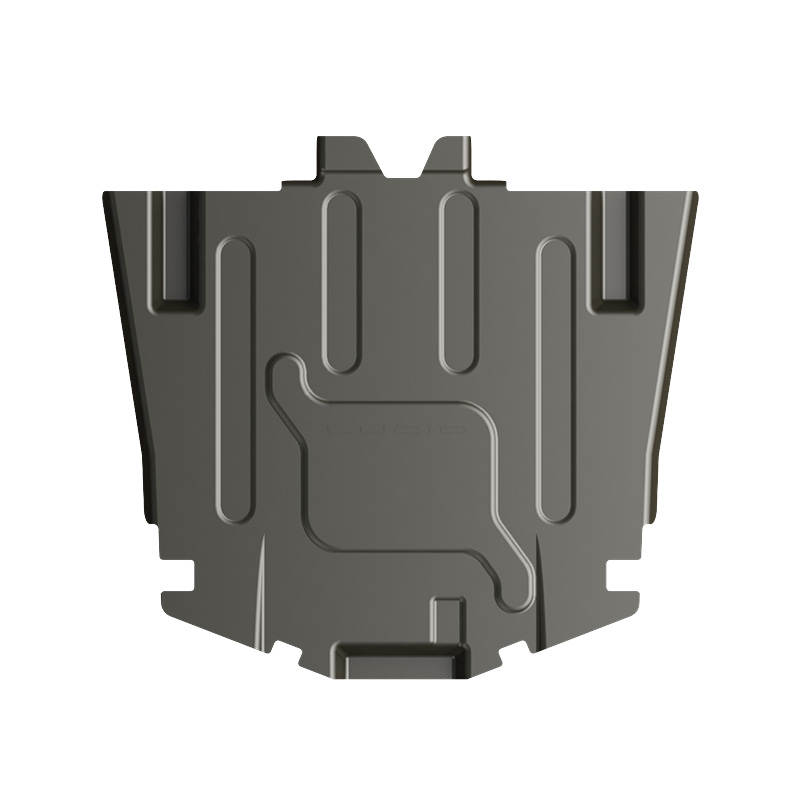
Material choice affects thermal conductivity, corrosion resistance, weight, and manufacturing cost. Selecting the correct material is critical for achieving both performance and durability.
| Material | Key Advantages | Typical Applications |
| Aluminum | Lightweight, cost-effective, good thermal conductivity | Power electronics, EV inverters |
| Copper | Excellent thermal conductivity | High-heat-density modules |
| Stainless Steel | Superior corrosion resistance | Chemical or medical systems |
Liquid cooling plates can be manufactured using several techniques, each with distinct performance and cost implications. Machined plates are popular for low to medium volumes, while brazed or friction-stir-welded plates are preferred for higher production and more complex internal geometries.
Advanced methods such as additive manufacturing allow for highly optimized internal channels that cannot be produced using traditional machining. However, these solutions are typically reserved for aerospace or advanced research applications due to higher costs.
When specifying a liquid cooling plate, engineers should focus on measurable performance indicators rather than nominal size or material alone. These parameters directly affect system stability and lifespan.
Liquid cooling plates are increasingly used in electric vehicles, data centers, energy storage systems, and high-performance computing. In EV battery packs, cooling plates help maintain cell temperature balance, directly improving safety and cycle life. In data centers, they enable higher rack power densities while reducing overall energy consumption.
As power densities continue to rise, liquid cooling plates are transitioning from niche components to standard thermal solutions in next-generation electronic and energy systems.

 Applet
Call Center:
 Tel:+86-0512-63263955
 Email :[email protected]
Copyright © Goode EIS (Suzhou) Corp LTD
 Insulating Composite Materials and Parts for Clean Energy Industry


 cn
cn English