Content
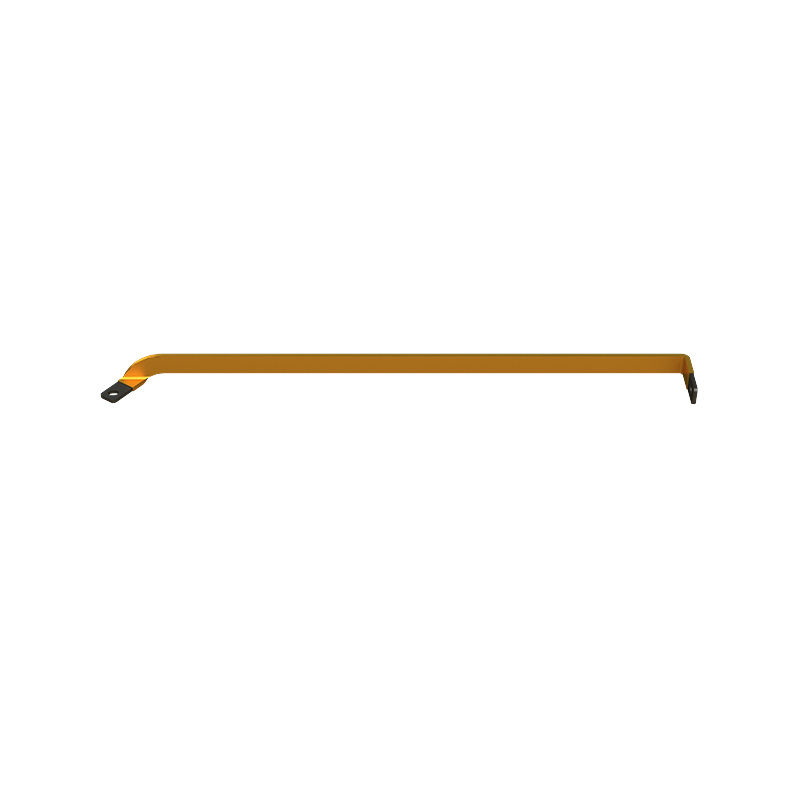
Busbars are the metal strips or bars that carry electrical current between battery cells, modules, and the rest of a vehicle's electrical system. In an electric vehicle's high-voltage battery pack, these connections carry serious current, which means any gap in protection isn't a minor issue — it's a direct path to short circuits, overheating, or worse. Car battery busbar protection refers to the combination of insulation, current monitoring, and physical shielding that keeps these connections safe under normal driving conditions and during unexpected fault events.
As more vehicles move toward high-voltage electric architectures, the busbars connecting battery modules are handling more current than ever before, in tighter spaces, with less room for error. Proper busbar protection isn't just a manufacturing checkbox — it directly affects vehicle safety, battery lifespan, and how a pack performs under stress, including in the event of a collision or thermal event.
Effective busbar protection isn't a single component — it's a layered approach combining several distinct strategies that work together to keep current flowing safely.
Insulation is the most visible layer of protection, typically applied as a molded cover, cap, or sleeve fitted directly over the busbar. These covers prevent accidental contact between exposed conductors, which reduces the risk of short circuits during assembly, servicing, or everyday vehicle operation. Most insulation covers are built from PVC, PE, or fire-retardant ABS, chosen specifically for their dielectric strength and resistance to heat, moisture, and chemical exposure.
Overcurrent protection continuously monitors the current flowing through the busbar and interrupts it if levels exceed safe limits. This is what prevents a fault elsewhere in the system — like a short in a battery module — from cascading into a much larger failure. Without this layer, a single localized fault could overheat the entire busbar network before anyone notices a problem.
Given the risk of thermal runaway in high-voltage battery packs, many modern busbar protection systems now include flame-resistant materials capable of withstanding extreme heat for extended periods. These barriers are designed to prevent flames or hot particles from spreading between modules, buying critical time in the rare event that a cell failure does occur.
The material used in a busbar cover or insulation sleeve determines how well it holds up under heat, mechanical stress, and long-term chemical exposure. Here's a comparison of the materials most commonly used across car battery busbar protection products:
| Material | Key Properties |
| PVC | Cost-effective, flexible, good moisture and chemical resistance |
| Glass-Filled ABS | Rigid, self-extinguishing, commonly rated UL94V-0 for flame resistance |
| Ceramic Composite Tape | High dielectric strength, exceptional heat resistance for high-voltage EV applications |
| Flame-Retardant Nonwoven Fabric | Flexible, resists high-temperature flame exposure and particle impact from venting gas |
Choosing the right material often comes down to where the busbar sits within the pack. Components near high-heat zones or exposed to potential thermal events typically call for ceramic or flame-retardant fabrics, while general insulation coverage in lower-risk areas can rely on standard PVC or ABS covers.
Whether you're inspecting a vehicle, a battery pack assembly, or a DIY EV conversion project, a few warning signs point to insufficient or degraded busbar protection:
Any of these issues should be addressed before the vehicle returns to regular use, since degraded busbar protection tends to get worse quickly once heat or moisture finds a way in.
Whether you're a pack builder, a repair shop, or an OEM sourcing components at scale, a few practical checks help avoid mismatched or underperforming parts:
Taking these steps upfront helps ensure the protection components you install actually match the electrical and thermal demands of your specific battery pack, rather than relying on a generic fit that may fall short under real operating conditions.
Car battery busbar protection doesn't operate in isolation — it works alongside cell-level safety features, thermal management systems, and pack-level monitoring to keep a vehicle's electrical system stable. Insulation prevents accidental contact, overcurrent protection stops faults from escalating, and flame-resistant barriers slow the spread of heat if something does go wrong. Together, these layers are what allow modern EV battery packs to handle high current safely, day after day, without introducing unnecessary risk to the vehicle or its occupants.

 Applet
Call Center:
 Tel:+86-0512-63263955
 Email :[email protected]
Copyright © Goode EIS (Suzhou) Corp LTD
 Insulating Composite Materials and Parts for Clean Energy Industry


 cn
cn English