Content
A car battery liquid cooling plate is a flat, channel-lined component installed against or between battery cells that circulates coolant to pull heat away from the battery pack during charging and discharging. Electric vehicle batteries generate significant heat as current flows through them, and without an effective way to manage that heat, cells can degrade faster, lose capacity, or in severe cases become a safety hazard. The cooling plate acts as the primary thermal management surface, absorbing heat from the cells and transferring it to a liquid coolant that carries it away to a radiator or heat exchanger.
Unlike air cooling, which relies on fans moving ambient air across the battery pack, liquid cooling plates offer far greater heat transfer capacity because liquids conduct and carry heat much more efficiently than air. This is why nearly every modern electric vehicle with a high-capacity battery pack relies on some form of liquid cooling plate design rather than passive air cooling alone.
Most cooling plates are constructed with internal channels machined, extruded, or brazed into a flat metal plate, allowing coolant to flow in a serpentine or parallel path across the plate's surface. The channel layout is engineered to maximize contact time between the coolant and the plate while minimizing pressure drop, since a poorly designed flow path can create hot spots where certain areas of the battery pack don't receive adequate cooling.
A pump circulates coolant, typically a water-glycol mixture, through the plate's internal channels and out to a radiator or chiller where the absorbed heat is released into the surrounding air or a separate refrigerant loop. This closed-loop system allows continuous heat removal even during demanding conditions like fast charging or sustained high-speed driving, when battery heat generation is at its highest.
The material chosen for a cooling plate affects its thermal performance, weight, and cost, all of which matter significantly in vehicle design. The table below compares the most commonly used materials in current battery cooling plate production.
| Material | Thermal Conductivity | Weight | Typical Use Case |
| Aluminum | High | Lightweight | Most widely used option in EV battery packs |
| Copper | Very High | Heavier | Used selectively where maximum heat transfer is needed |
| Aluminum Alloy Composites | Moderate to High | Lightweight | Balances cost, weight, and performance |
Aluminum remains the dominant choice across the EV industry because it strikes a practical balance between thermal performance, manufacturing cost, and weight savings, all of which directly affect vehicle range and overall pack design.
Keeping a battery pack within its optimal temperature range affects far more than just performance in the moment. It plays a direct role in long-term battery health, charging speed, and overall vehicle safety.
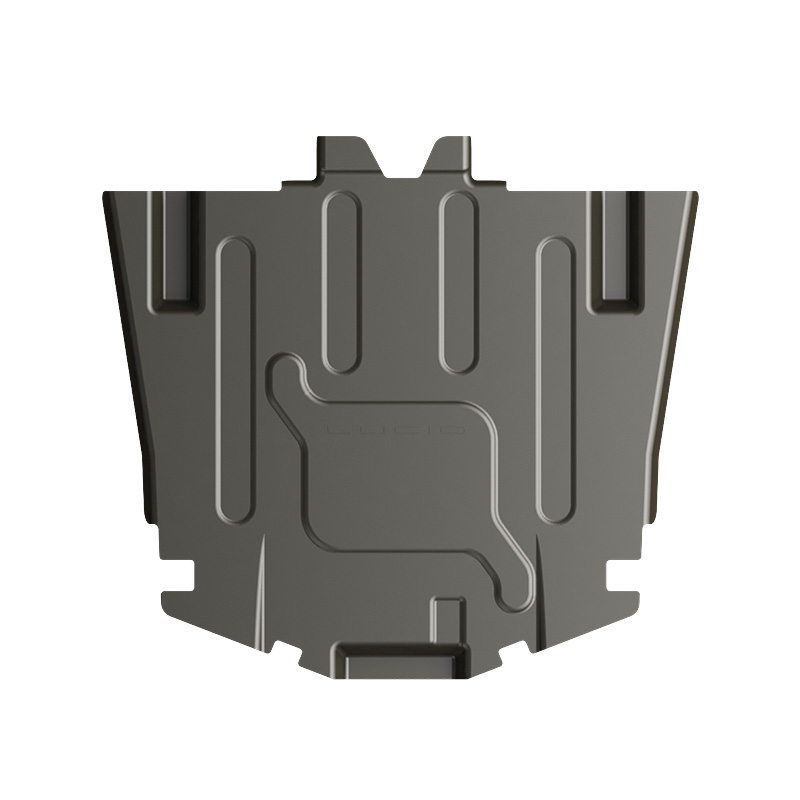
A well-designed cooling plate distributes coolant evenly so that no section of the battery pack runs significantly hotter than another. Uneven flow can create localized hot spots that accelerate degradation in specific cells, eventually dragging down the performance of the entire pack even if most cells remain healthy.
Channel geometry affects how much resistance the coolant encounters as it moves through the plate. Excessive pressure drop forces the cooling system's pump to work harder, increasing energy consumption and potentially shortening pump lifespan, so channel design needs to balance thermal performance against flow resistance.
Since the cooling plate sits in close proximity to sensitive battery cells and electronics, any coolant leak poses a serious risk. Manufacturing processes like friction stir welding or laser welding are commonly used to create leak-proof seals that can withstand years of thermal cycling and vibration without failing.
While battery cooling plates are largely maintenance-free components hidden within the vehicle's battery pack, a few practical habits help ensure the broader cooling system stays effective. Following the manufacturer's recommended coolant replacement schedule keeps the fluid's heat transfer properties from degrading over time, since old coolant can lose effectiveness or become corrosive to internal components.
Owners should also pay attention to any dashboard warnings related to battery temperature or cooling system performance, since these alerts often indicate an early-stage issue with coolant levels, pump function, or airflow to the radiator. Addressing these warnings promptly, rather than ignoring them, helps prevent minor cooling system issues from turning into more serious battery health problems down the road.
For vehicles that see frequent fast charging or are driven in extreme climates, having the cooling system inspected during regular service visits adds an extra layer of protection. A technician can check for coolant contamination, pump wear, or reduced flow rates that might not be obvious from dashboard alerts alone.
A car battery liquid cooling plate might be a hidden component tucked deep inside an EV's battery pack, but it plays an outsized role in determining how well that battery performs and how long it lasts. From material selection and channel design to flow uniformity and leak prevention, every detail of a cooling plate's engineering affects real-world outcomes like charging speed, range consistency, and long-term battery health. As EV adoption continues to grow, the quality of this thermal management component remains one of the most important, if least visible, factors separating a battery pack that performs reliably for years from one that degrades prematurely.

 Applet
Call Center:
 Tel:+86-0512-63263955
 Email :[email protected]
Copyright © Goode EIS (Suzhou) Corp LTD
 Insulating Composite Materials and Parts for Clean Energy Industry


 cn
cn English