Content
Your car battery's electrical connectors are the unsung heroes of your vehicle's entire electrical system. Every time you turn the key or press the start button, current has to flow cleanly through the battery terminals and connectors to the starter, alternator, and every other electrical component in the car. When those connections corrode, loosen, or get exposed to moisture and road grime, you end up with everything from dim headlights to a car that won't start at all. Car battery electrical connector protection isn't just a nice-to-have maintenance step — it's one of the cheapest, most effective ways to avoid expensive electrical failures down the road.
Unlike engine or transmission issues that announce themselves with noise or vibration, connector problems tend to creep up slowly. A little corrosion here, a slightly loose terminal there, and before you know it you're stranded in a parking lot with a car that cranks weakly or not at all. Understanding how to protect these connections properly can add years to your battery's usable life and prevent a whole category of frustrating, avoidable breakdowns.
Before you can protect your car battery's electrical connectors, it helps to understand exactly what you're protecting them from. Several environmental and chemical factors work against your connections every single day.
Any one of these on its own can gradually degrade connection quality, but in most real-world situations they combine and accelerate each other, which is why proactive protection matters so much.
Catching connector problems early can save you from a dead battery at the worst possible moment. Keep an eye out for these warning signs during routine checks under the hood.
A crusty, white or bluish-green powder around the battery posts is the most obvious sign of corrosion. This buildup acts as an insulator, restricting the flow of electricity even if the battery itself is perfectly healthy.
If your engine cranks slowly, hesitates, or sometimes starts fine and other times struggles, a corroded or loose connector is often the culprit rather than the battery itself.
Poor connector contact can cause voltage fluctuations that show up as flickering interior lights, glitchy infotainment systems, or dashboard warning lights that come and go unpredictably.
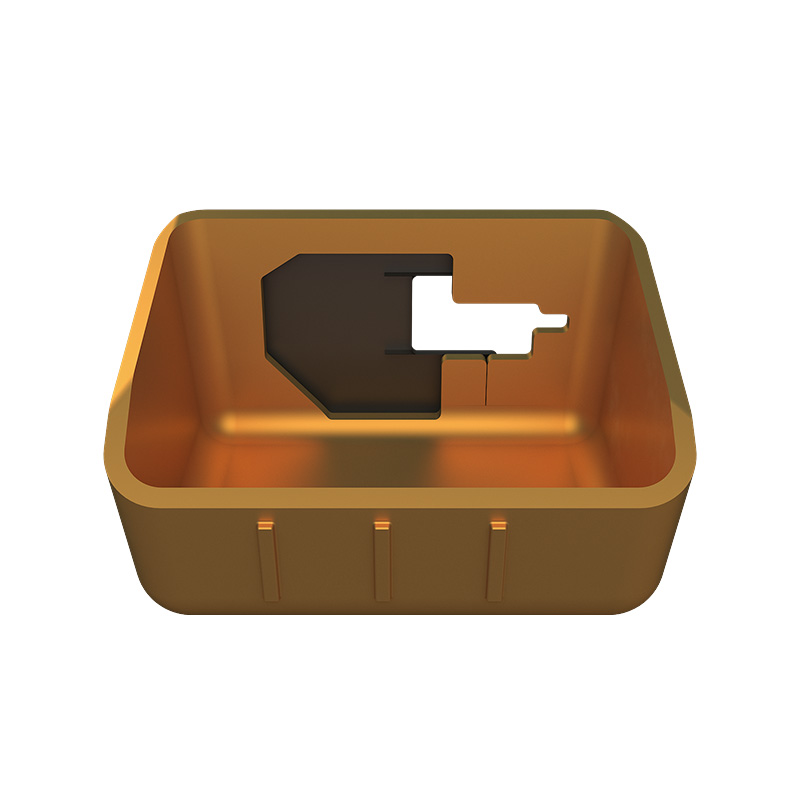
There are several proven approaches to keeping your battery connections in top shape, and most of them are inexpensive and easy to apply yourself.
Combining a couple of these methods, like dielectric grease plus a terminal cover, gives you layered protection that handles both chemical corrosion and physical moisture exposure at the same time.
Not all protection methods work the same way or suit every situation. The table below compares the most common options so you can choose what fits your needs and budget.
| Protection Method | Main Benefit | Best Use Case |
| Dielectric Grease | Repels moisture, prevents oxidation | All-purpose terminal maintenance |
| Felt Anti-Corrosion Washers | Absorbs acid fumes at the source | Batteries prone to heavy corrosion |
| Terminal Covers | Physical barrier against debris and shorts | Vehicles with exposed under-hood battery placement |
| Weatherproof Connector Boots | Seals wiring harness connectors from water | Off-road or high-moisture driving conditions |
Cleaning and protecting your battery terminals is a straightforward job you can do in under thirty minutes with basic tools. Follow these steps for the best results.
Doing this every six months, or more often if you live in a coastal or salty winter climate, keeps corrosion from ever getting a foothold.
Battery terminal protection often gets all the attention, but the wiring harness connectors leading away from the battery deserve just as much care. Ground straps, fuse box connections, and any splice points near the engine bay are equally vulnerable to corrosion and moisture damage. Applying dielectric grease to these connector points during routine maintenance, and inspecting them for cracked or brittle insulation, prevents small issues from turning into larger electrical gremlins that are much harder to diagnose.
If you notice any wiring near the battery with cracked, melted, or chewed insulation, address it immediately with proper heat-shrink tubing or a weatherproof connector boot. Rodents are drawn to the warmth of engine bays and will chew through wiring insulation, exposing connectors to the same corrosion risks as unprotected terminals.
A quick visual check every month and a thorough cleaning and protection routine every six months is generally enough for most drivers, though vehicles in harsh climates may benefit from more frequent inspections.
Yes, dielectric grease is non-conductive and safe for battery terminals, wiring harness connectors, and most electrical connections in the engine bay, as it protects without interfering with the electrical contact itself.
Yes, poor connections force the alternator and starter to work harder to compensate for resistance, which can shorten their lifespan and lead to premature failure over time.

 Applet
Call Center:
 Tel:+86-0512-63263955
 Email :[email protected]
Copyright © Goode EIS (Suzhou) Corp LTD
 Insulating Composite Materials and Parts for Clean Energy Industry


 cn
cn English