Content
Double-sided copper-aluminum clad material is a composite metal sheet that sandwiches a lightweight aluminum core between two thin, highly conductive copper layers. Engineers rely on this bimetallic copper-aluminum laminate because it delivers the best of both metals without the traditional drawbacks. The aluminum base keeps the overall weight down and reduces raw material costs, while the copper faces provide exceptional electrical conductivity and thermal transfer capabilities. This specific combination eliminates the need for heavy solid copper plates in applications where weight and budget are strict constraints. When designing modern thermal management systems, using a copper aluminum clad sheet allows you to maintain high heat dissipation rates while cutting structural load by nearly thirty percent compared to pure copper alternatives.
The practical value of this Al-Cu bonded material becomes obvious when you look at thermal cycling and electrical routing. The metallurgical bond between the copper and aluminum is created through high-temperature rolling, which fuses the atomic lattices at the interface. This means you get a seamless transition layer that prevents delamination under repeated heating and cooling. Designers can solder directly to the copper exterior using standard PCB techniques, while the aluminum interior acts as a massive heat spreader. By choosing this double-sided composite panel, manufacturers solve two persistent engineering headaches at once: overheating hotspots and excessive assembly weight.
Producing a reliable copper-clad aluminum sheet requires precise control over surface preparation, temperature profiles, and rolling pressure. The process begins with rigorous cleaning and degreasing of both the copper foils and the aluminum slab to remove oxides and contaminants. Once cleaned, the metals are stacked in a controlled atmosphere furnace and heated to a specific recrystallization temperature. Hot rolling presses them together under extreme pressure, forcing diffusion across the interface. After initial bonding, the sheet undergoes multiple cold rolling passes to achieve exact thickness tolerances, followed by a stress-relief annealing cycle that restores ductility. Skipping any of these steps results in poor peel strength or inconsistent conductivity, which can cause catastrophic failure in high-power electronics.
Before approving a supplier, you should request test reports that cover peel strength, electrical resistivity, and dimensional flatness. The following comparison highlights why the double-sided copper-aluminum clad material consistently outperforms traditional alternatives in real-world thermal and structural applications.
| Material Type | Density (g/cm³) | Electrical Conductivity | Peel Strength (N/mm) | Relative Cost |
| Pure Copper | 8.96 | 100% IACS | N/A | High |
| Pure Aluminum | 2.70 | 61% IACS | N/A | Low |
| Clad Material | ~4.80 | 85-90% IACS | ≥ 4.5 | Medium |
When reviewing these metrics, focus heavily on the peel strength and conductivity balance. A high-quality bimetallic sheet must maintain at least four point five newtons per millimeter of bonding strength to survive soldering and thermal shock. The conductivity figure represents the effective performance of the copper layers, which is more than sufficient for most power distribution and grounding applications.
Thermal management in electric vehicles relies heavily on lightweight conductive substrates, making double-sided copper-aluminum clad material a standard choice for battery cold plates. The copper surfaces allow direct fluid routing channels and high-efficiency heat exchange, while the aluminum core minimizes chassis weight and improves overall vehicle range. Engineers machine complex coolant micro-channels into the composite sheet, knowing that the bonded interface will not delaminate under continuous pump pressure or freezing-thawing cycles. This same structural reliability translates directly to inverter heat sinks, where rapid heat extraction from silicon carbide MOSFETs is critical for efficiency.
Beyond thermal roles, this copper aluminum clad sheet excels in radio frequency shielding and high-density printed circuit board manufacturing. The outer copper layers reflect and absorb electromagnetic interference, creating a grounded Faraday cage that protects sensitive analog signals. When laminated with dielectric prepregs, the composite becomes a highly efficient metal-core PCB substrate. Signal traces etched directly into the copper face benefit from low impedance paths, while the aluminum backing acts as an integrated ground plane and heat sink. This dual functionality reduces the total layer count of your circuit board and simplifies the assembly workflow.
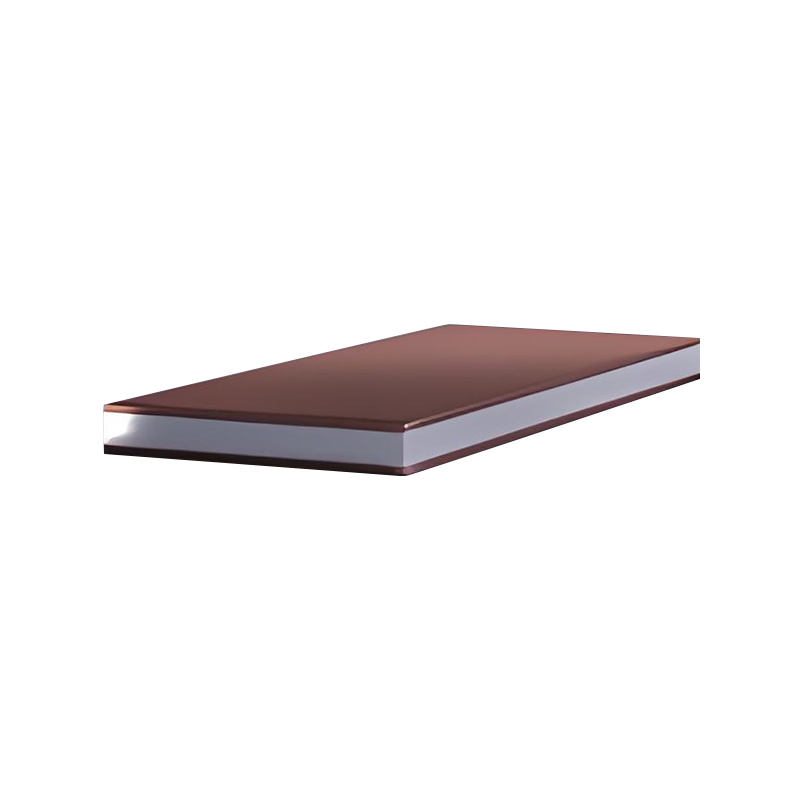
Choosing the right specification for your project starts with defining your copper-to-aluminum thickness ratio and surface finish requirements. Common configurations use a ten percent copper layer on each side with eighty percent aluminum in the middle, but high-current applications may demand twenty percent copper to handle increased ampacity. Always verify the supplier’s flatness tolerance, as warped sheets cause misalignment during automated pick-and-place or CNC drilling operations. Request edge-sealing recommendations to prevent galvanic corrosion at exposed cut lines, and ensure the copper surface receives a nickel or tin passivation if your soldering process requires extended shelf life.

 Applet
Call Center:
 Tel:+86-0512-63263955
 Email :[email protected]
Copyright © Goode EIS (Suzhou) Corp LTD
 Insulating Composite Materials and Parts for Clean Energy Industry


 cn
cn English