Car battery busbar protection is a critical aspect of modern vehicle electrical systems, especially in electric vehicles (EVs), hybrid vehicles, and high-current battery packs. Busbars are conductive metal strips—usually made of copper or aluminum—that distribute power between battery cells and system components. Without proper protection, these busbars are vulnerable to short circuits, overheating, corrosion, and mechanical damage. This guide focuses on practical methods, materials, and design strategies to ensure effective car battery busbar protection.
Content
Busbars carry high current, making them one of the most sensitive and potentially dangerous parts of a battery system. Poorly protected busbars can lead to system failure or even safety hazards such as electrical fires. Effective car battery busbar insulation and protection improve both performance and reliability.
Protection also ensures compliance with automotive safety standards and extends the lifespan of battery modules by preventing environmental and mechanical damage.
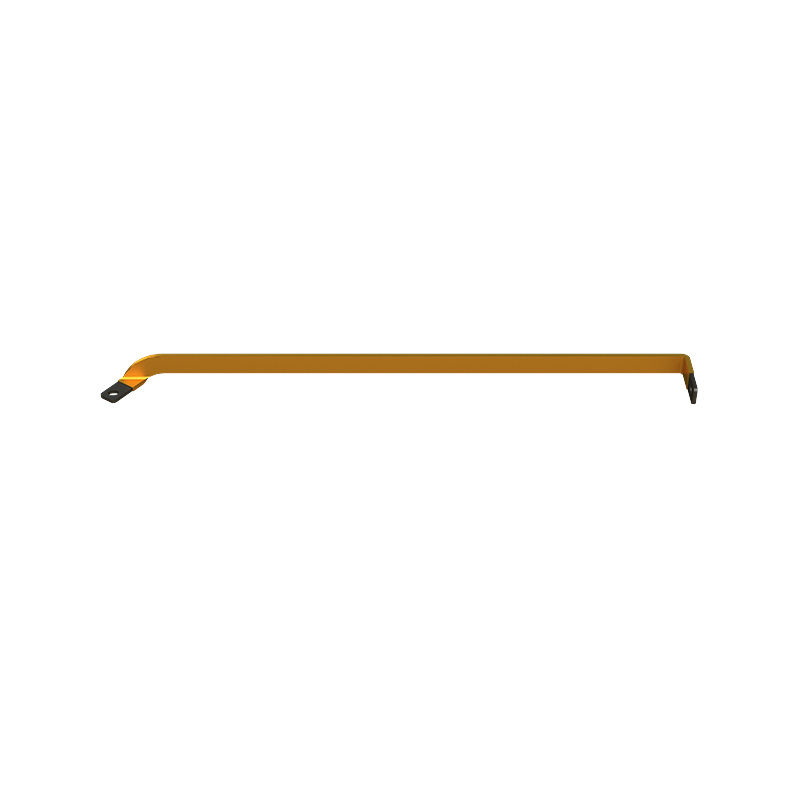
There are several proven approaches to protecting battery busbars. The choice depends on application requirements such as voltage level, environment, and manufacturing process.
| Protection Method | Description | Best Use Case |
| Heat Shrink Tubing | Insulating sleeve that shrinks with heat | Flexible and small busbars |
| Powder Coating | Electrostatic coating cured with heat | High durability and uniform coverage |
| Epoxy Coating | Thick insulating resin layer | Harsh environments |
| Insulation Films | PVC or PET films wrapped around busbars | Cost-effective solutions |
| Busbar Covers | Rigid plastic housings | High safety applications |
Selecting the appropriate car battery busbar protection solution requires balancing electrical insulation, thermal performance, and cost efficiency. Different vehicle designs may require different combinations of protection methods.
Even the best materials can fail if installed incorrectly. Proper installation ensures that the car battery busbar protection system performs as intended over time.
Design errors in car battery busbar insulation can lead to premature failure or safety risks. Avoiding these mistakes improves system durability and compliance.
Regular inspection and maintenance are essential to ensure ongoing effectiveness of car battery busbar protection systems, especially in high-demand automotive environments.
By applying the right materials, proper installation techniques, and routine maintenance, car battery busbar protection can significantly enhance safety, efficiency, and reliability in modern vehicle electrical systems.

 Applet
Call Center:
 Tel:+86-0512-63263955
 Email :[email protected]
Copyright © Goode EIS (Suzhou) Corp LTD
 Insulating Composite Materials and Parts for Clean Energy Industry


 cn
cn English