Rigid mica battery cell insulation pad is a key material used in modern battery systems, especially in electric vehicles, energy storage systems, and high-performance electronics. It provides excellent thermal insulation, electrical isolation, and flame resistance, helping improve battery safety and reliability. In this guide, we’ll explain how rigid mica insulation pads work and how to choose the right one for your application.
Content
A rigid mica battery cell insulation pad is a high-temperature resistant insulating sheet made primarily from natural or synthetic mica combined with binders such as silicone resin. It is designed to be placed between battery cells or modules to prevent heat transfer and electrical short circuits.
Unlike flexible insulation materials, rigid mica pads maintain their shape under pressure and high temperatures, making them ideal for applications where structural stability and fire resistance are critical.
Rigid mica battery insulation pads are widely used between lithium-ion cells in EV battery packs. They help prevent thermal runaway from spreading between cells, significantly improving safety.
In stationary energy storage, mica insulation sheets are used to separate modules and protect against overheating during long-term operation.
High-performance electronics also use rigid mica pads to manage heat and ensure electrical insulation in compact battery designs.
| Type | Composition | Features | Applications |
| Phlogopite Mica Pad | Magnesium-based mica | Better high-temperature resistance | EV batteries, industrial systems |
| Muscovite Mica Pad | Potassium-based mica | Higher dielectric strength | Electronics, insulation layers |
| Synthetic Mica Pad | Engineered mica materials | Consistent quality and performance | High-end battery systems |
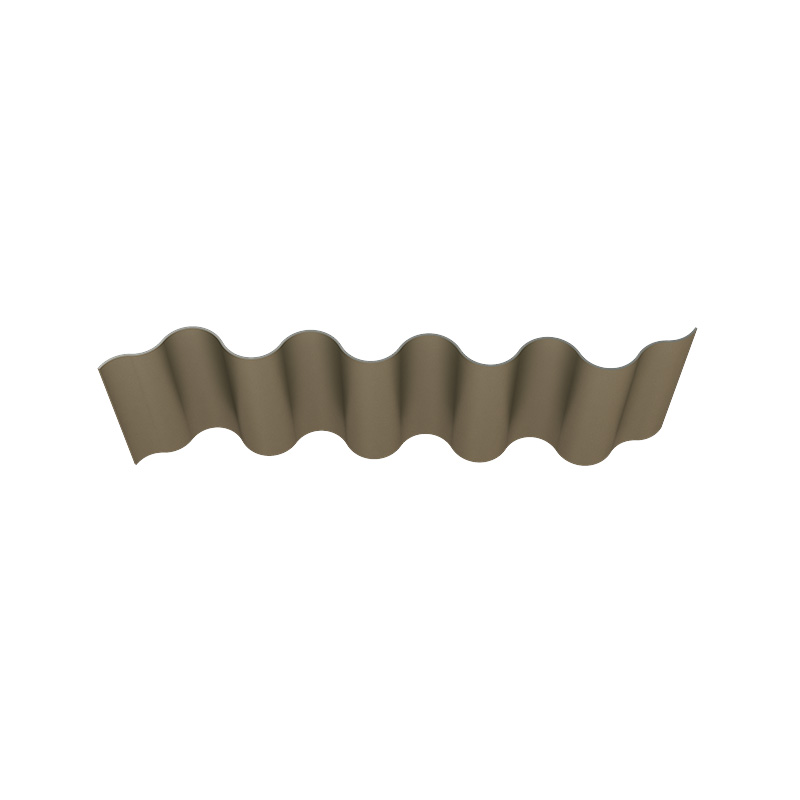
Select a mica insulation pad that can withstand the maximum temperature expected in your battery system. For EV applications, high-temperature resistance is essential for safety.
Ensure the pad provides sufficient dielectric strength to prevent electrical breakdown between battery cells or modules.
The thickness of the rigid mica insulation pad affects both thermal insulation and space utilization. Thicker pads provide better protection but may increase overall battery size.
Rigid mica pads should maintain structural integrity under compression and vibration, especially in automotive applications.
Proper installation of rigid mica battery cell insulation pads ensures maximum effectiveness and safety in battery systems.
Rigid mica battery cell insulation pads are essential for enhancing safety, reliability, and performance in modern battery systems. With their superior thermal resistance, electrical insulation, and structural stability, they play a vital role in preventing thermal runaway and electrical failures. By selecting the right material type and installing it properly, manufacturers can significantly improve battery system safety and longevity.

 Applet
Call Center:
 Tel:+86-0512-63263955
 Email :[email protected]
Copyright © Goode EIS (Suzhou) Corp LTD
 Insulating Composite Materials and Parts for Clean Energy Industry


 cn
cn English