Thermal runaway is one of those topics that feels abstract until you are staring at a test cell that has just vented. In an EV pack, protection is never one part or one test. It is a chain of decisions that begins with cell selection and continues through materials, module design, pack architecture, and manufacturing control.
Content
At its simplest, thermal runaway is a self-accelerating heat event inside a cell. Heat generation outpaces heat dissipation, the cell enters an uncontrollable temperature rise, and the result can include venting, smoke, fire, or damage to neighboring cells.
EV power battery thermal runaway protection is therefore a system-level discipline: delay initiation where possible, limit the amount of energy that can feed the event, and keep a single-cell failure from becoming a pack-level failure.
| Stage | What tends to happen | Protection focus |
|---|---|---|
| Initiation | An internal short, overcharge, mechanical damage, or local hot spot pushes a cell beyond its safe temperature window. | Cell quality, BMS limits, mechanical design, and early detection. |
| Self-heating | Exothermic reactions inside the cell accelerate heat generation faster than the pack can dissipate it. | Thermal barriers, current interruption, and heat rejection paths. |
| Venting | Pressure builds and the cell releases hot gas, particulates, and flammable vapor. | Directed venting, fire-resistant materials, and isolation of neighboring cells. |
| Propagation | Heat transfers to adjacent cells or modules and can turn a single-cell event into a pack-level event. | Cell spacing, module barriers, pack containment, and careful material selection. |
Most incidents sit at the intersection of cell condition, use profile, and pack design. The common trigger families are worth separating because each one points to a different protection measure.
A good BMS is essential, but it cannot undo a poor thermal design. It can tighten the operating window, detect abnormal signals, and disconnect current, while materials and structure decide how much time the pack has if a cell still fails.
A useful way to plan protection is to work through the pack in three layers. At Goode, we use that structure in our Thermex work because it keeps material choices tied to a specific failure mode rather than a general claim.
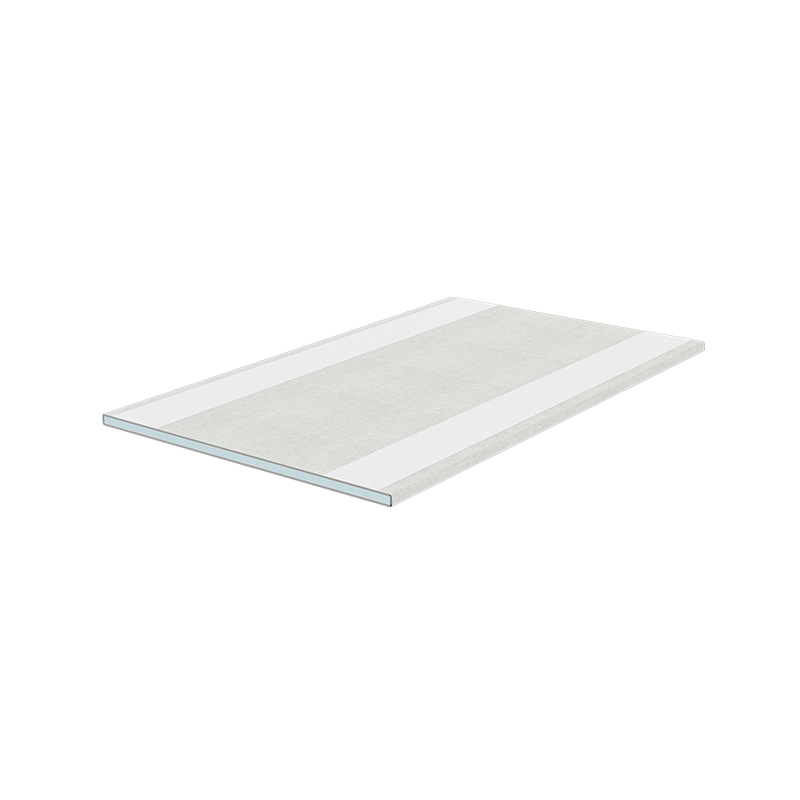 Power Battery Thermal Runaway Protection SolutionIntegrated battery-pack protection components—insulation, fireproofing, pressure relief, and structural parts—help connect material choices to specific thermal-runaway failure modes.View Product →
At cell level, the aim is to slow heat transfer between neighbors and protect the cell surface from local hot spots. Rigid mica insulation pads, thermal pads, binder clips, and prismatic cell covers are not glamorous parts, but they often determine whether a failure stays local. The material needs the right balance of dielectric strength, flame resistance, compressibility, and long-term stability.
 Rigid Mica Battery Cell Insulation PadRigid mica pad provides cell-level thermal and electrical insulation, flame resistance, and mechanical support to help slow heat transfer between neighboring cells.View Product →
At module level, release plates, end plates, and module covers help manage swelling, mechanical load, and vented gas. The goal is not to make a module indestructible. It is to give hot gas a preferred path, reduce heat transfer to healthy cells, and keep the module structure from spreading debris or flame.
At pack level, protection becomes an architectural question. Top cover fireproofing and thermal insulation, housing floor and sidewall protection, BMS protection, busbar protection, connector protection, and liquid cooling plate design all interact. A pack can have excellent cell-level materials and still perform poorly if vent paths are blocked, busbars are exposed to hot gas, or the cooling plate becomes a heat bridge during a failure.
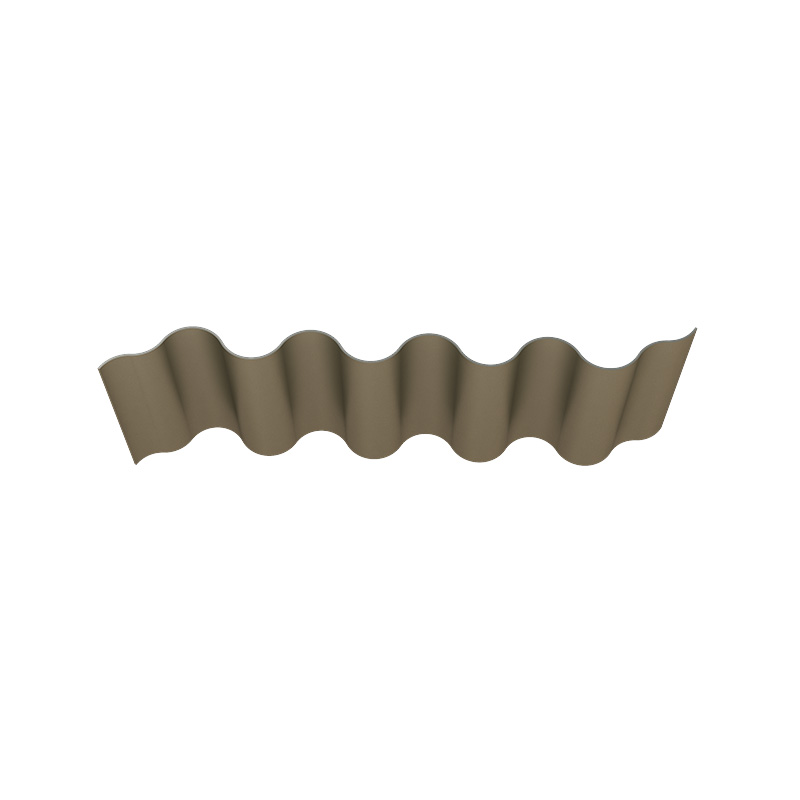
 Top Cover Fireproofing for Battery PacksPack-level fireproofing component intended to suppress flame spread and block high-temperature heat transfer in EV and energy-storage battery systems.View Product →
Material selection is not just about low thermal conductivity. In a real pack, the material must survive compression, vibration, thermal cycling, and occasional contact with hot gas or electrolyte. The most useful families usually include:
The right answer depends on cell chemistry, pack architecture, available space, and the expected failure mode. A material that is excellent in a coupon test can still be wrong if it compresses too much, sheds particles, or becomes conductive after aging.
Protection is won or lost in the details. Vent paths should be short, predictable, and directed away from sensitive components. Busbars and connectors need isolation from hot gas and debris. Sensor placement should reflect where heat is likely to appear, not just where wiring is convenient.
Top covers and housings need to resist flame and heat transfer without becoming brittle or losing sealing performance. Cooling plates must manage normal thermal loads while avoiding unintended heat paths during a failure. Fasteners, adhesives, and hole plugs also matter, because small gaps can become paths for gas, moisture, or flame.
It also helps to design for service and manufacturing. A protection layer that is difficult to install correctly will eventually be installed incorrectly. Clear part orientation, controlled compression, and traceable material batches are part of thermal runaway protection, even if they do not appear in a marketing diagram.
Testing should follow the failure mode. Material-level tests can cover thermal conductivity, dielectric strength, flammability, compression set, and aging. Cell and module tests can examine heat spread, venting behavior, and structural response. Pack-level propagation tests are often the most revealing because they show how the whole system behaves when one cell is forced into failure.
Manufacturing discipline is equally important. Incoming material checks, consistent thickness and density, clean die cutting, controlled adhesive application, and batch traceability all affect performance. A thermal barrier that is a fraction of a millimeter too thin, or a pad that is compressed beyond its design range, may pass inspection and still underperform in the field.
Goode works at the intersection of insulation materials and EV battery protection. Our background in composite materials, electrical insulation, and multi-layer protection parts helps us discuss the whole pack rather than a single component. You can read more in our company profile and explore our innovation platform to see how material development is organized.
The best partner is not the one with the longest catalogue. It is the one that asks about your cell format, pack layout, venting strategy, failure targets, and production process before recommending a material. That conversation usually saves more time than a specification sheet.
Thermal runaway protection is a chain of small, practical decisions: the right barrier at the cell, a module that directs energy safely, a pack that protects critical systems, and a production process that repeats the design intent. None of these guarantees a zero-risk battery, but together they give the pack a much better chance of containing a failure.

 Applet
Call Center:
 Tel:+86-0512-63263955
 Email :[email protected]
Copyright © Goode EIS (Suzhou) Corp LTD
 Insulating Composite Materials and Parts for Clean Energy Industry


 cn
 English