Content
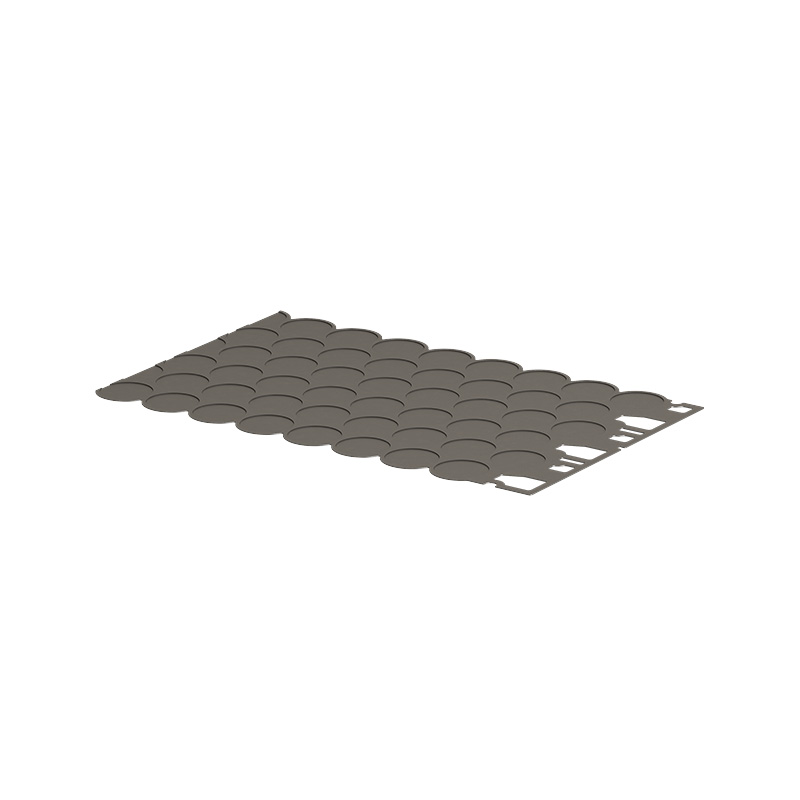
A car battery cylindrical release plate is a small but important component found in many modern battery terminal clamps and quick-disconnect battery systems. It's the round, disc-shaped piece that sits inside the terminal clamp and works together with a lever or cam mechanism to lock the clamp tightly onto the battery post, or release it instantly when you need to disconnect the battery. Instead of loosening a nut with a wrench, you simply flip the lever, the cylindrical release plate rotates or shifts position, and the clamp pops free. This design is common on newer vehicles, marine batteries, RVs, and aftermarket quick-release terminal kits.
Understanding how this part works is useful because it's one of the more failure-prone pieces in a quick-disconnect battery terminal. Since it's constantly under spring tension and exposed to corrosion, heat, and vibration, it tends to wear out faster than the solid metal clamp body around it.
The cylindrical release plate typically sits between the lever arm and the terminal post inside the clamp housing. When the lever is closed, the plate rotates into a position that presses the clamp jaws tightly against the battery post, creating a solid electrical connection. When you lift the lever, the plate rotates back, releasing pressure so the clamp can be pulled off the post without tools.
This mechanism relies on a few things working correctly at the same time:
If any one of these fails, the entire quick-release terminal can become loose, hard to operate, or completely stuck.
Because this part is hidden inside the terminal clamp, most drivers don't notice a problem until the battery connection starts acting up. Here are the warning signs to watch for:
| Symptom | Likely Cause |
| Battery terminal feels loose after closing lever | Worn or oval-shaped cylindrical plate |
| Intermittent power loss or dashboard flickering | Poor contact pressure from a worn plate |
| Lever is hard to open or close | Corrosion buildup around the plate and housing |
| Clicking or clunking noise from the terminal | Damaged or cracked release plate |
| Terminal won't lock at all | Broken spring or sheared release plate |
It's easy to underestimate a part this small, but a failing cylindrical release plate can lead to real electrical issues. Even a slightly loose connection increases resistance at the battery terminal. That resistance generates heat, which speeds up corrosion, which further loosens the connection, a cycle that can eventually leave you with a car that won't start even though the battery itself is perfectly healthy.
In more severe cases, a badly worn or broken release plate can cause the clamp to disconnect while the vehicle is being driven over rough roads, which is both an inconvenience and a safety concern. This is why it's worth inspecting this part any time you're doing routine battery maintenance.
You don't need special tools to check the condition of your cylindrical release plate. Start by disconnecting the battery, then remove the terminal clamp and look closely at the plate itself:
Replacing this part is a manageable DIY job for most people, and it's far cheaper than replacing the entire terminal clamp or battery. Follow these general steps:
Replacement plates are usually sold individually or as part of a small hardware kit that includes the spring, pin, and sometimes a new lever. It's worth buying from the same manufacturer as your original terminal clamp to guarantee a proper fit, since the cylindrical diameter and pin spacing can vary slightly between brands.
A little routine care goes a long way toward preventing early failure of this component. Consider these habits as part of your regular vehicle maintenance:
Taking these small steps can help you avoid unexpected starting problems and keep your quick-release battery terminal working smoothly for years.

 Applet
Call Center:
 Tel:+86-0512-63263955
 Email :[email protected]
Copyright © Goode EIS (Suzhou) Corp LTD
 Insulating Composite Materials and Parts for Clean Energy Industry


 cn
cn English